Runecraft
Runecraft is a distinct magical discipline within Landorya. Frostborn Runecraft writes power into ice, stone, and bone. The rune holds. The cold carries. Anyone who carves one feels frost in the fingertips. Its power is typically sourced from Primordial forces of the Frostbound Wastes feed it. Carved or burned runes act as conduits between the physical world and latent arcane energy locked within ice, stone, and wind.. Practitioners must account for the following limits: Each rune must be meticulously inscribed. A single errant stroke can corrupt or reverse the effect. Complex sequences slowly sap the caster's endurance. Runes carved into organic… Scholarly records also note key risks: A misaligned rune does not simply fail. It inverts. A ward becomes a beacon for hostile forces, a binding a curse on its own caster. Overuse of flesh-runes without ritual rest can…
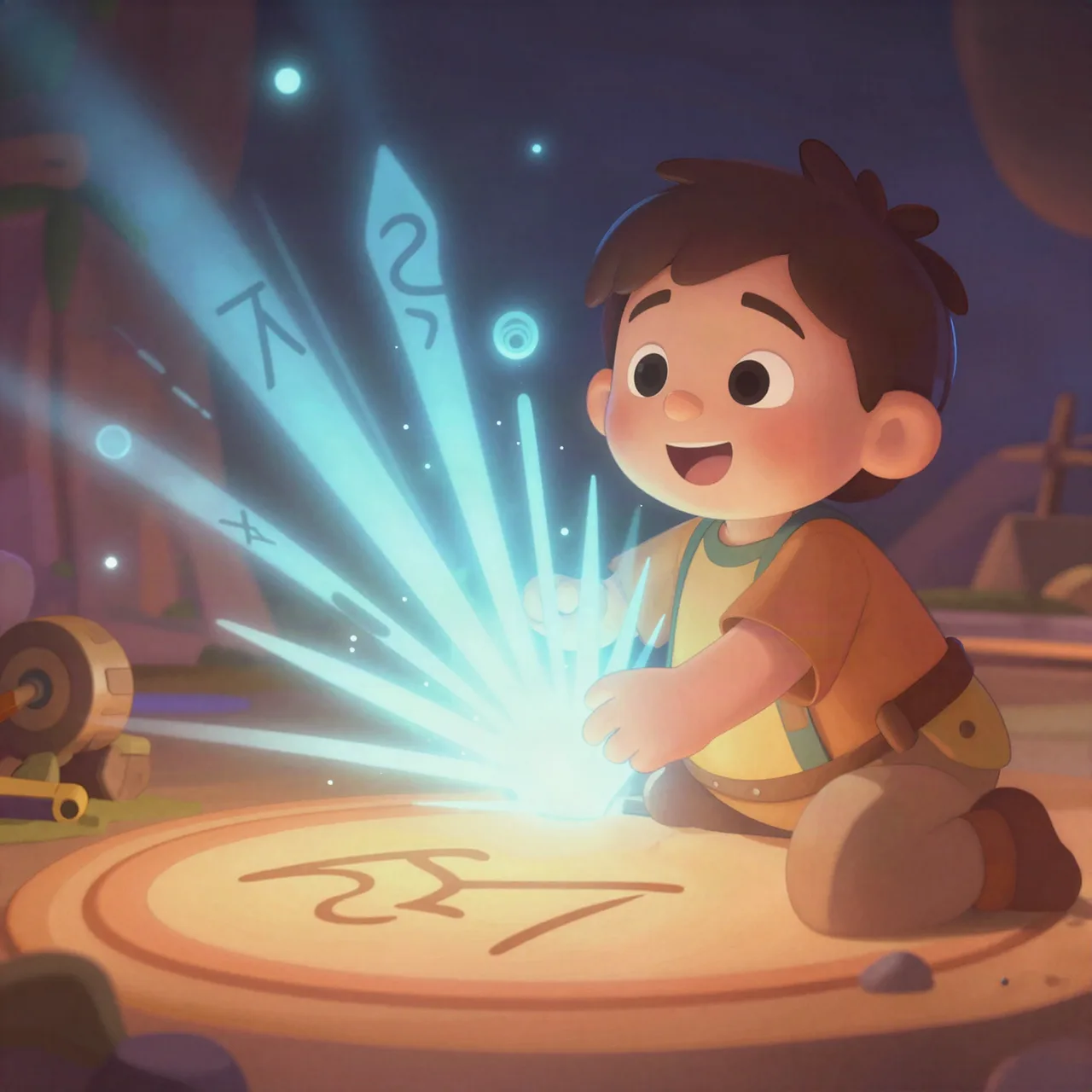
Magic Profile
- Nature
- Frostborn Runecraft writes power into ice, stone, and bone. The rune holds. The cold carries. Anyone who carves one feels frost in the fingertips.
- Source
- Primordial forces of the Frostbound Wastes feed it. Carved or burned runes act as conduits between the physical world and latent arcane energy locked within ice, stone, and wind.
Overview
Runecraft is a distinct magical discipline within Landorya. Frostborn Runecraft writes power into ice, stone, and bone. The rune holds. The cold carries. Anyone who carves one feels frost in the fingertips. Its power is typically sourced from Primordial forces of the Frostbound Wastes feed it. Carved or burned runes act as conduits between the physical world and latent arcane energy locked within ice, stone, and wind.. Practitioners must account for the following limits: Each rune must be meticulously inscribed. A single errant stroke can corrupt or reverse the effect. Complex sequences slowly sap the caster's endurance. Runes carved into organic… Scholarly records also note key risks: A misaligned rune does not simply fail. It inverts. A ward becomes a beacon for hostile forces, a binding a curse on its own caster. Overuse of flesh-runes without ritual rest can…
Key Aspects
0
Binding runes: locking forces, creatures, or spells in place
1
Ward-inscription: etching protective sigils onto armour, gates, and skin
2
Runic sequencing: chaining multiple glyphs for layered effects
3
Object-imbuing: transferring lasting arcane properties into weapons or tools
4
Flesh-runes: ritual marks on Frostborn warriors for endurance or elemental resistance
Practitioners
0
Runeweavers, scholar-mages who study and inscribe complex runic arrays
1
Wardcarvers, artisan-priests who protect settlements with runic fortifications
2
Branded warriors, elite soldiers who bear flesh-runes for combat enhancement
3
Elder Scribes, keepers of ancient runic knowledge through oral and carved tradition
Limitations
Each rune must be meticulously inscribed. A single errant stroke can corrupt or reverse the effect. Complex sequences slowly sap the caster's endurance. Runes carved into organic material degrade and need renewal.
Common Applications
- ✦ The Sealing Mark, a rune sequence that locks a door, gate, or vessel against all force until the caster wills otherwise
- ✦ Glacier's Oath, a binding rune etched into two surfaces to forge an unbreakable covenant or alliance
- ✦ The Warding Spiral, interlocking glyphs that repel hostile magic and wayward spirits from a protected site
- ✦ Runic Surge, a sequence rapidly scored into a weapon's blade that erupts with stored elemental energy on the next strike
- ✦ The Unravelling Glyph, a destructive counter-rune that dismantles active runic arrays or enchantments on contact
Cultural Significance
Runecraft is the cornerstone of Frostborn identity. It is woven into birth-marks carved above cradles and into the great warding arrays that guard Landorya's northern borders. Mountain-dwelling allies respect the mastery and often seek Frostborn Wardcarvers for their own strongholds.
Lore
It is said the first rune was not invented but discovered. Found already carved into a glacier face by the earliest Frostborn ancestors, glowing with a cold blue light that has never fully been explained. Elder Scribes teach that the Wastes themselves authored that first glyph as a gift, or a test, for those resilient enough to survive them. During the great incursions from the southern reaches of Landorya, it was the Frostborn's runic walls, not their spears, that held the passes. That earned them their reputation as guardian-architects of the north. To erase another's rune without consent is among the gravest cultural offences, considered spiritual violence equivalent to murder.
Known Practitioners
See also
Known practitioner connected to this magic
Known practitioner connected to this magic
Compare all schools and traditions
Discover magical relics and their powers
Find mages, scholars, and wielders
See how magic shapes each culture