Herbalism
Herbalism is a distinct magical discipline within Landorya. Halfling Herbalism heals with plant life-force. Tinctures, poultices, and spoken blessings turn it into real arcane medicine. It smells of dried flowers and woodsmoke. It works th… Its power is typically sourced from Herbs, roots, and blossoms of the Central Plains feed it. The soil holds vital essence. Healers amplify it with the Celestial gift of earth-tending.. Practitioners must account for the following limits: Herbalism cannot reverse death or grow back lost limbs. It mends, soothes, and restores what still lives. Herbs from runic-depleted soil make weaker or unpredictable remedies. Scholarly records also note key risks: Misidentified herbs or plants from runic-blighted soil reverse a remedy. A mending poultice inflames. A fever-draught can spike temperature to deadly heights. Healers who over-ext…
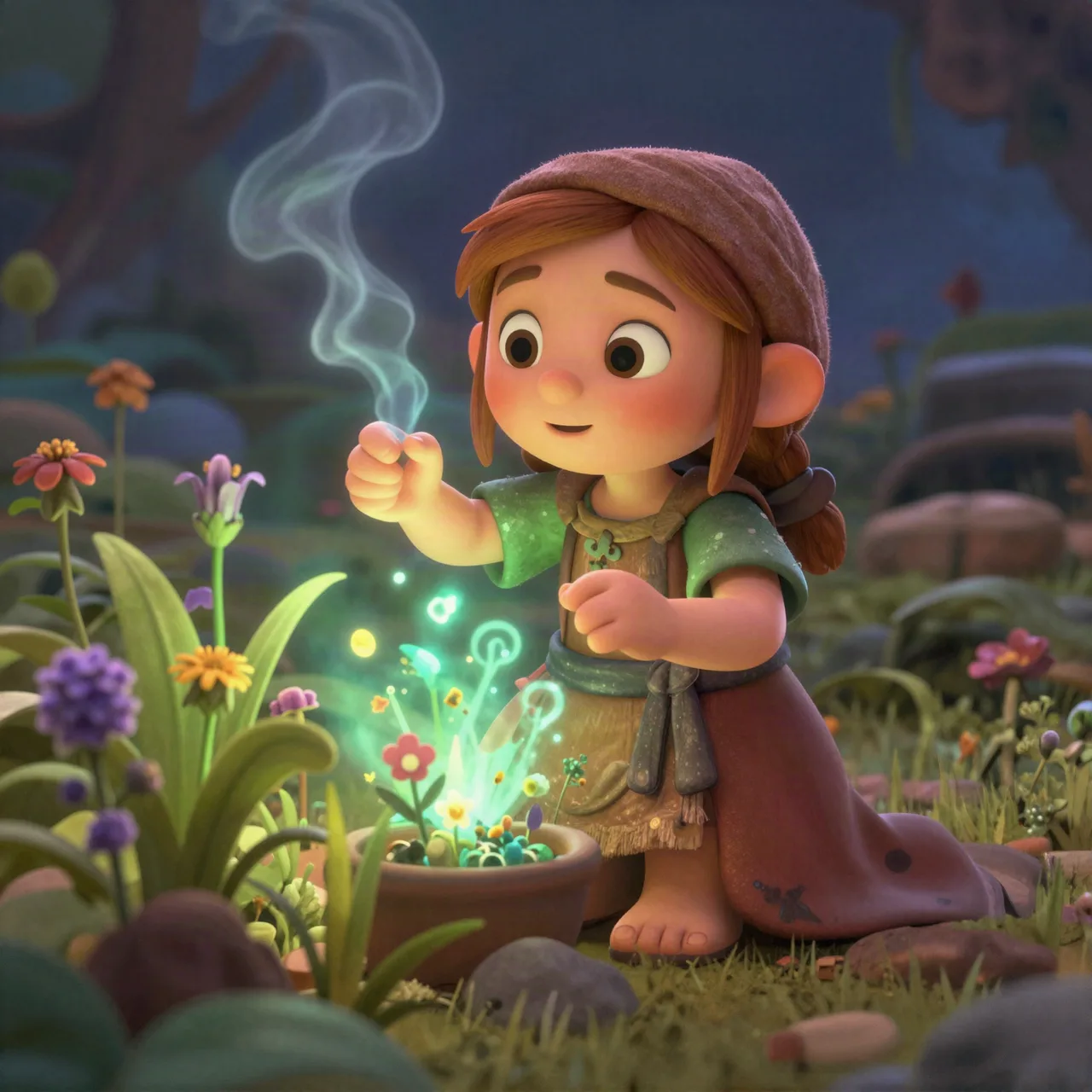
Magic Profile
- Nature
- Halfling Herbalism heals with plant life-force. Tinctures, poultices, and spoken blessings turn it into real arcane medicine. It smells of dried flowers and woodsmoke. It works through touch, breath, and patience.
- Source
- Herbs, roots, and blossoms of the Central Plains feed it. The soil holds vital essence. Healers amplify it with the Celestial gift of earth-tending.
Overview
Herbalism is a distinct magical discipline within Landorya. Halfling Herbalism heals with plant life-force. Tinctures, poultices, and spoken blessings turn it into real arcane medicine. It smells of dried flowers and woodsmoke. It works th… Its power is typically sourced from Herbs, roots, and blossoms of the Central Plains feed it. The soil holds vital essence. Healers amplify it with the Celestial gift of earth-tending.. Practitioners must account for the following limits: Herbalism cannot reverse death or grow back lost limbs. It mends, soothes, and restores what still lives. Herbs from runic-depleted soil make weaker or unpredictable remedies. Scholarly records also note key risks: Misidentified herbs or plants from runic-blighted soil reverse a remedy. A mending poultice inflames. A fever-draught can spike temperature to deadly heights. Healers who over-ext…
Key Aspects
0
Tincture-brewing into concentrated remedies for wounds and ailments
1
Breath-blessing a poultice with a whispered healing intent
2
Symptom-reading through diagnostic touch on the skin
3
Restorative cordials that replenish stamina and ease grief-sickness
4
Herbal warding bundles above doorways against minor curses and fevers
Practitioners
0
Healers who staff the Healers' Halls in every settlement
1
Travelling apothecaries with herb-kits on river-barge routes to Azaria
2
Elder midwives who specialise in birth-remedies and childhood ailments
3
Farm-Wardens who keep herb-gardens beside their runic fields
Limitations
Herbalism cannot reverse death or grow back lost limbs. It mends, soothes, and restores what still lives. Herbs from runic-depleted soil make weaker or unpredictable remedies.
Common Applications
- ✦ The Green Mending, a poultice of seven herbs that closes a wound over three hours without scarring
- ✦ Ember-Root Draught, draws fever out through the skin as harmless warmth
- ✦ The Healer's Exhale, a breath-blessed compress that numbs deep pain for a full day
- ✦ Sunrise Cordial, brewed only at dawn, restores wakefulness and lifts despair
- ✦ Warden's Wreath, a dried herb-bundle at a threshold that absorbs minor ill-intent over a season
Cultural Significance
Healers' Halls are among the most sacred public buildings, second only to granaries. A community's prosperity is partly measured by its healers. Trade of herbal tinctures along river routes to Azaria has made halfling remedies prized across the Central Plains. That goodwill is something small stature alone could never secure.
Lore
Legend holds the first healer learned from a bee. She watched it move between blossoms and understood, in a moment of Celestial clarity, that the earth had already prepared every cure before the wound existed. Healers' Halls still keep a carved stone bee above their doors. During the rebuilding after the Great Flood, healers walked unpaid between human and dwarven work-camps. That generosity is said to have opened mountain passes to Dwarven Hold trade for generations. The Code of Gentle Magic forbids using herbal knowledge to brew poisons or paralytic agents. The rule comes from one betrayal called the Bitterroot Shame.
Known Practitioners
See also
Known practitioner connected to this magic
Known practitioner connected to this magic
Compare all schools and traditions
Discover magical relics and their powers
Find mages, scholars, and wielders
See how magic shapes each culture