Runic Agriculture
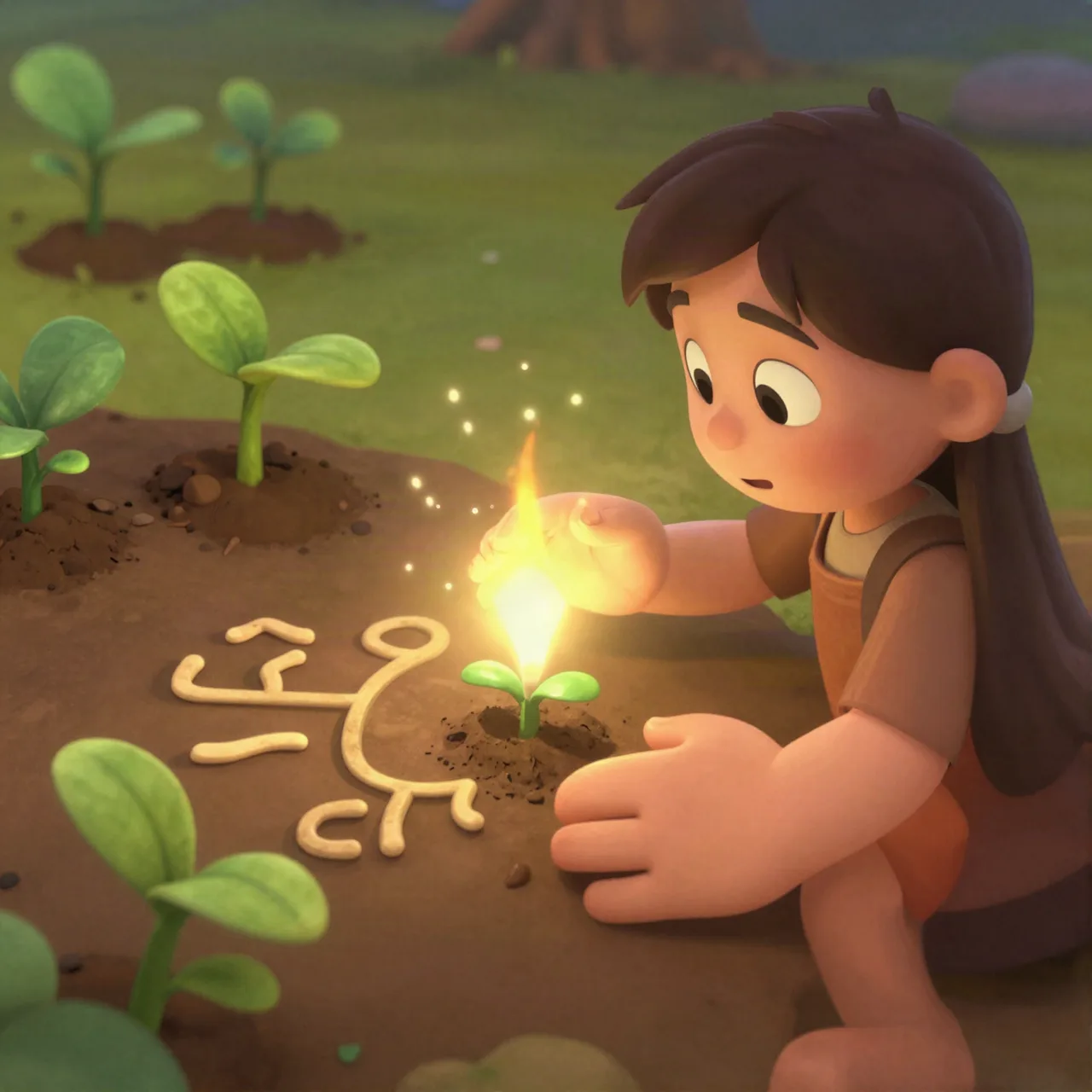
Runic Agriculture is a distinct magical discipline within Landorya. Runic Agriculture inscribes living runes on seeds, soil, and growing things. That coaxes extra vitality from the earth. The magic is deliberate and patient. It hums softly. It sme… Its power is typically sourced from The earth itself feeds it. It runs through rune-carved tools and Runic Seeds. At creation from clay and sunrise the Celestials gave the halflings the gift of tending the earth.. Practitioners must account for the following limits: Runes must be hand-inscribed in the right growing seasons. Rushing or marking exhausted soil collapses the enchantment. The land then withers faster than it would alone. One pract… Scholarly records also note key risks: Incorrect or reused runes on depleted ground invert their intent. They drain nutrients in days. Fields can stay barren for years. Ambitious scribes who try to rune whole river val…
Magic Profile
- Nature
- Runic Agriculture inscribes living runes on seeds, soil, and growing things. That coaxes extra vitality from the earth. The magic is deliberate and patient. It hums softly. It smells of loam and rain. You feel it in the hands more than the mind.
- Source
- The earth itself feeds it. It runs through rune-carved tools and Runic Seeds. At creation from clay and sunrise the Celestials gave the halflings the gift of tending the earth.
Overview
Runic Agriculture is a distinct magical discipline within Landorya. Runic Agriculture inscribes living runes on seeds, soil, and growing things. That coaxes extra vitality from the earth. The magic is deliberate and patient. It hums softly. It sme… Its power is typically sourced from The earth itself feeds it. It runs through rune-carved tools and Runic Seeds. At creation from clay and sunrise the Celestials gave the halflings the gift of tending the earth.. Practitioners must account for the following limits: Runes must be hand-inscribed in the right growing seasons. Rushing or marking exhausted soil collapses the enchantment. The land then withers faster than it would alone. One pract… Scholarly records also note key risks: Incorrect or reused runes on depleted ground invert their intent. They drain nutrients in days. Fields can stay barren for years. Ambitious scribes who try to rune whole river val…
Key Aspects
0
Seed-inscription, etching growth runes onto individual seeds
1
Soil-binding, runic patterns across furrows for moisture and blight-wards
2
Harvest amplification at the moment of reaping
3
Warding glyphs against pests, drought, and decay
4
Seasonal attunement of rune sets to the year's turnings
Practitioners
0
Farm-Wardens who tend communal fields and granary stores
1
Runic Scribes who design and archive new agricultural glyph-sets
2
Elder cultivators who pass oral rune-lore at sowing festivals
3
River-barge traders who carry inscribed seed-stocks to Azaria and beyond
Limitations
Runes must be hand-inscribed in the right growing seasons. Rushing or marking exhausted soil collapses the enchantment. The land then withers faster than it would alone. One practitioner can only hold a bounded area of runic growth steady.
Common Applications
- ✦ The Verdant Seal, prevents blight for a full growing season
- ✦ Sunrise Sprouting, makes planted seeds germinate within a single dawn
- ✦ The Flood-Memory Ward, grants crops resistance to waterlogging and rot
- ✦ Granary's Breath, runes in stone granary walls to slow spoilage and deter vermin
- ✦ The Boundless Furrow, doubles fertile topsoil depth along a plough-line
Cultural Significance
Runic Agriculture is the heartbeat of halfling civilisation. It underpins the grain surplus and the Silver Acorn trade with Dwarven Holds and Azaria. It is taught as communal duty, not personal power. Sharing new rune-patterns at harvest festivals is one of the highest acts of generosity.
Lore
After the Great Flood the first Farm-Warden, named only She Who Pressed Her Thumb into the Mud, saw sunrise dry the clay on her hand into the shape of sprouting grain. She pressed that print into the ruined earth. By nightfall a stalk rose. Runic Scribes have spent generations decoding that first accidental glyph, the Root-Sign. The Code of Gentle Magic was written partly to stop runic patterns being weaponised as famine-curses. An outcast scribe once tried to sell inverted runes to a rival settlement. The halflings do not speak his name.