Siege-Rune Inscription
Siege-Rune Inscription is a distinct magical discipline within Landorya. Siege Rune Inscription writes force into stone and metal of walls and towers. The rune holds the command until the attack comes. Then the command breaks loose. Its power is typically sourced from The runes draw residual earth-spirit energy through the forge and the act of physical inscription, anchored by the smith's own blood and will pressed into the material.. Practitioners must account for the following limits: Runes without proper communion with earth-spirits are inert at best and catastrophically unstable at worst. A misdrawn rune under battle stress can detonate or collapse an engine.… Scholarly records also note key risks: A misaligned rune sequence under battle vibration can create resonance feedback. The engine fractures explosively outward, killing crew and nearby warriors. At the Siege of Ember-…
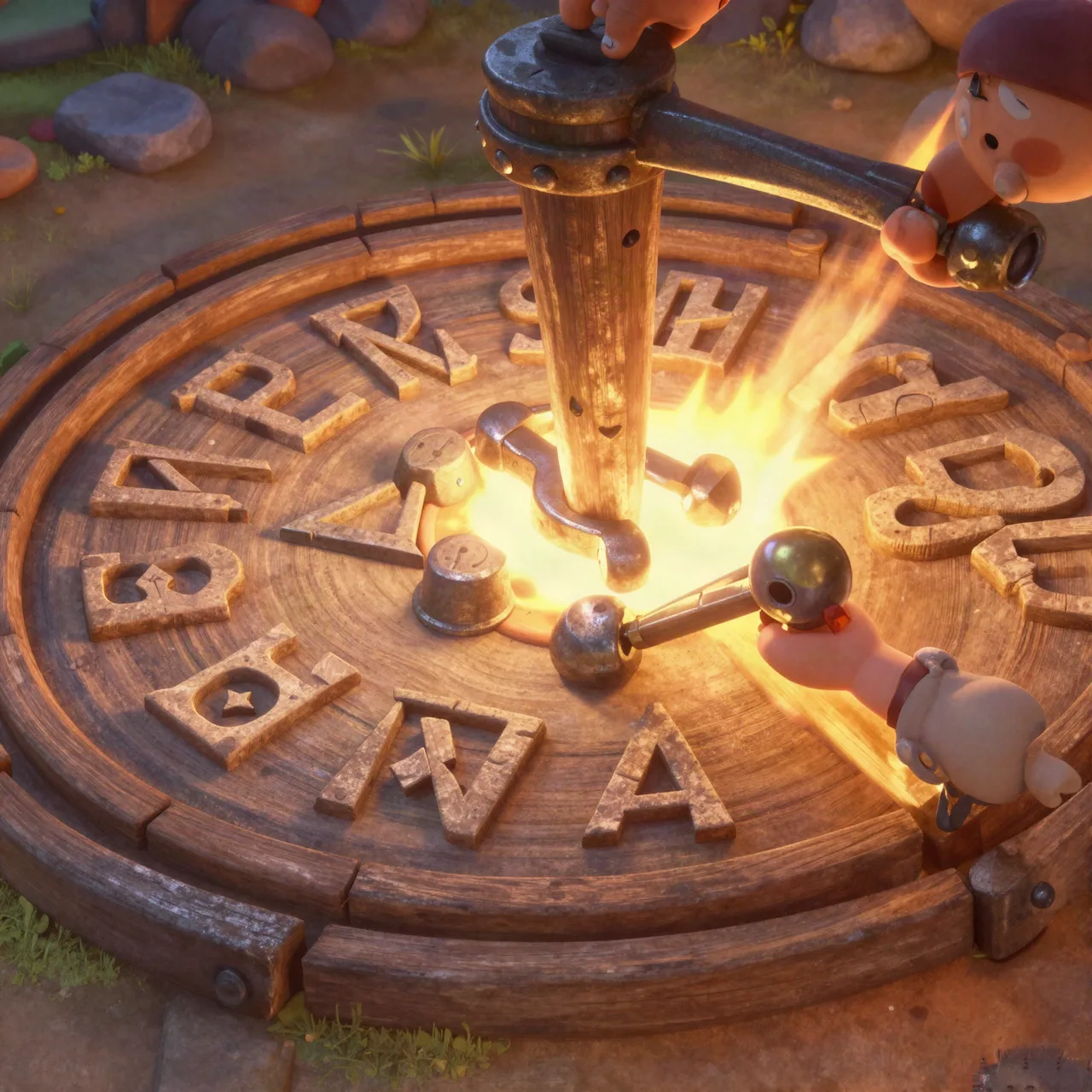
Magic Profile
- Nature
- Siege Rune Inscription writes force into stone and metal of walls and towers. The rune holds the command until the attack comes. Then the command breaks loose.
- Source
- The runes draw residual earth-spirit energy through the forge and the act of physical inscription, anchored by the smith's own blood and will pressed into the material.
Overview
Siege-Rune Inscription is a distinct magical discipline within Landorya. Siege Rune Inscription writes force into stone and metal of walls and towers. The rune holds the command until the attack comes. Then the command breaks loose. Its power is typically sourced from The runes draw residual earth-spirit energy through the forge and the act of physical inscription, anchored by the smith's own blood and will pressed into the material.. Practitioners must account for the following limits: Runes without proper communion with earth-spirits are inert at best and catastrophically unstable at worst. A misdrawn rune under battle stress can detonate or collapse an engine.… Scholarly records also note key risks: A misaligned rune sequence under battle vibration can create resonance feedback. The engine fractures explosively outward, killing crew and nearby warriors. At the Siege of Ember-…
Key Aspects
0
Blood-and-hammer inscription technique
1
Structural reinforcement runes for endurance and load
2
Impact-amplification runes for projectile force
3
Warding runes against magical blight and Iron-Rot
4
Trigger runes activated by spoken command or strike
Practitioners
0
Runic Bards, chanter-smiths joining oral tradition to inscription
1
Stone-Keepers who spiritually anchor the strongest rune-works
2
Master Siege-Builders such as the Stone-Breakers mercenary company
3
Iron-Smith journeymen trained in basic structural runes
Limitations
Runes without proper communion with earth-spirits are inert at best and catastrophically unstable at worst. A misdrawn rune under battle stress can detonate or collapse an engine. A single runic engine takes days of careful work. Large-scale runic armament is always limited by the number of skilled Runic Bards and Stone-Keepers.
Common Applications
- ✦ Rune of the Thunder-Ram, multiplies impact force on ram heads
- ✦ Iron-Hold Ward, temporarily arrests Iron-Rot on siege gear
- ✦ Rune of the Avalanche, adds a shockwave to catapult projectiles on impact
- ✦ The Unbreaking, bonds a siege tower's frame to the nearest stone outcrop
- ✦ Echo-Rune, lets a Runic Bard feel structural stress from a distance
Cultural Significance
Siege-Rune Inscription marries Orcish warrior culture and builder culture. It proves forge and battlefield are one. Dwarven observers along the Ironspine Trail note with cautious respect that Orcish runic work, rough beside Dwarven precision, carries a raw spiritual potency Dwarven artifice rarely matches.
Lore
The Runic Age is said to have begun when Runic Bard Skar Two-Fingers, having lost three fingers in a forge accident, found that a bleeding hand pressed to iron while chanting the Song of Gor-Mok left a permanent mark that refused to rust. Skar catalogued forty-nine such marks, each tied to a verse of the Song, and died at the Battle of Thorn Valley with his catapult still firing. The Orcs credit the holding of that pass in part to the runic endurance blessings he burned into his machines the night before. His forty-nine marks remain the canonical foundation of all Siege-Rune Inscription.