Storm-Chanting
Storm-Chanting is a distinct magical discipline within Landorya. Storm-Chanting calls, shapes, and directs weather for Orcish armies, especially lightning, wind, and the pressure of storm-fronts. It is less gentle communion than a challenge hur… Its power is typically sourced from Storm-spirits of the upper atmosphere feed it, which the Orcs believe are the breath-children of the First Hammer's original strike, the same strike that split the mountain and birthed the Iron-Vein Range.. Practitioners must account for the following limits: Storm-Chanting needs unbroken vocalization. A chanter silenced, throat-wounded, or broken in concentration releases gathered storm energy without direction, often striking friend… Scholarly records also note key risks: An interrupted Storm-Chant dumps its energy as an uncontrolled tempest. Orcish military history records catastrophic friendly-fire lightning strikes from chanters cut down mid-inv…
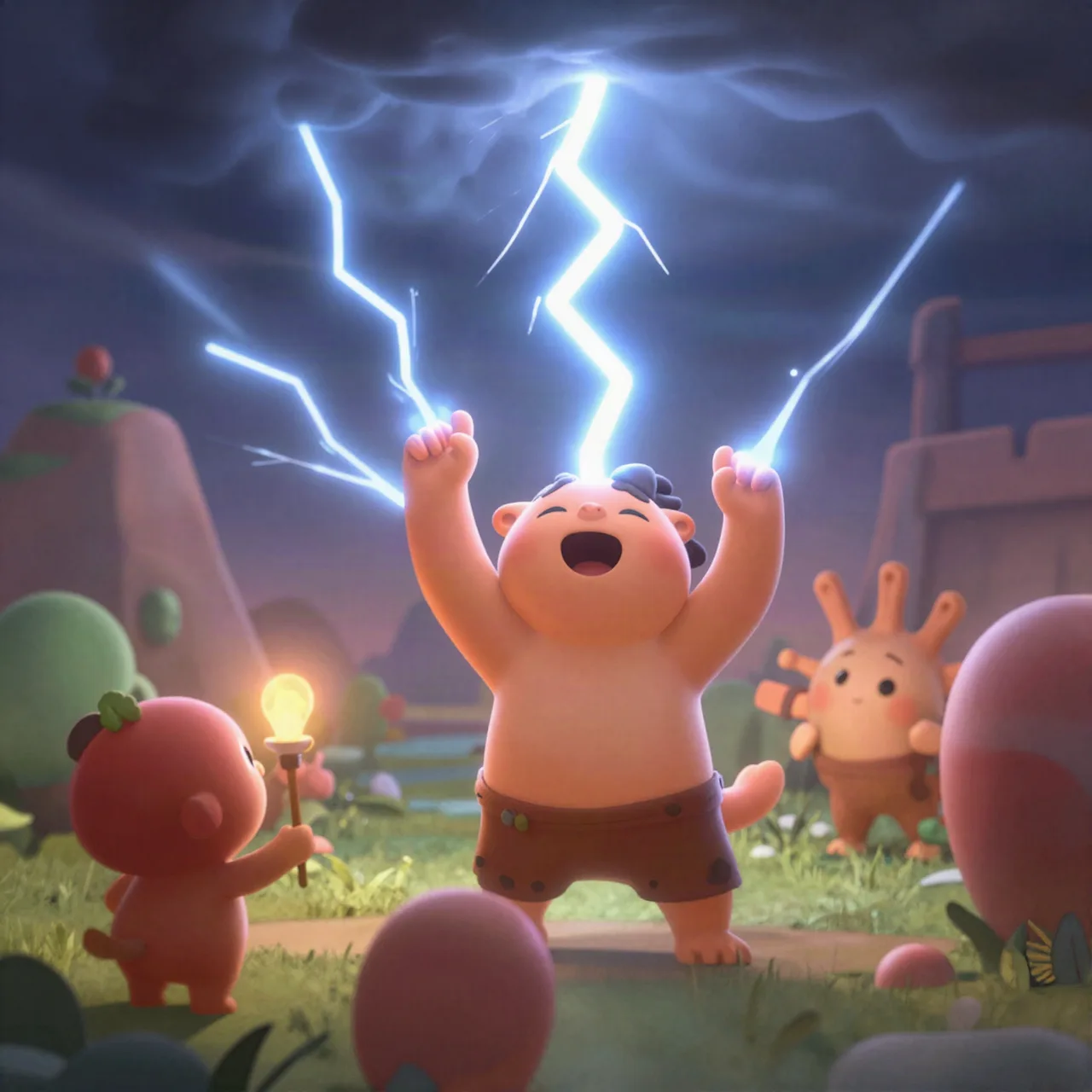
Magic Profile
- Nature
- Storm-Chanting calls, shapes, and directs weather for Orcish armies, especially lightning, wind, and the pressure of storm-fronts. It is less gentle communion than a challenge hurled at the sky. The chanter must prove worthy of being heard.
- Source
- Storm-spirits of the upper atmosphere feed it, which the Orcs believe are the breath-children of the First Hammer's original strike, the same strike that split the mountain and birthed the Iron-Vein Range.
Overview
Storm-Chanting is a distinct magical discipline within Landorya. Storm-Chanting calls, shapes, and directs weather for Orcish armies, especially lightning, wind, and the pressure of storm-fronts. It is less gentle communion than a challenge hur… Its power is typically sourced from Storm-spirits of the upper atmosphere feed it, which the Orcs believe are the breath-children of the First Hammer's original strike, the same strike that split the mountain and birthed the Iron-Vein Range.. Practitioners must account for the following limits: Storm-Chanting needs unbroken vocalization. A chanter silenced, throat-wounded, or broken in concentration releases gathered storm energy without direction, often striking friend… Scholarly records also note key risks: An interrupted Storm-Chant dumps its energy as an uncontrolled tempest. Orcish military history records catastrophic friendly-fire lightning strikes from chanters cut down mid-inv…
Key Aspects
0
Sustained ritual chanting to open negotiation with storm-spirits
1
Lightning-direction onto enemy positions or massed formations
2
Wind-calling to ground enemy thunder-hawks or clear mountain passes
3
Storm-front summoning to hide troop movements
4
Thunder-amplification to shatter morale and disorient foes
Practitioners
0
Runic Bards with advanced storm-verse training
1
Stone-Keepers who have earned the storm-aspect of communion
2
Dedicated Storm-Chanters with Siege-Companies in the field
3
War-Chiefs trained in basic storm-invocation calls from the Battle of Thorn Valley
Limitations
Storm-Chanting needs unbroken vocalization. A chanter silenced, throat-wounded, or broken in concentration releases gathered storm energy without direction, often striking friend and foe alike. Called storms are real weather and cannot be instantly dismissed. They must be guided until they exhaust themselves naturally.
Common Applications
- ✦ The Thunder-Ram's Breath, focused lightning to pre-weaken gates and walls
- ✦ Cloak of the Roaring Stone, drops visibility to near zero across a mountain pass
- ✦ Voice of the Sky-Hammer, shapes thunder into a directed concussive wave
- ✦ Iron-Wolf's Howl, disrupts enemy aerial units including thunder-hawks
- ✦ The Siege-Breaker's Call, multi-chanter lightning barrage lasting several minutes
Cultural Significance
Storm-Chanting is the most outward Orcish magical discipline and the one most visible to foreign powers. Lightning walking a battlefield at Orcish direction has ended more than one siege negotiation. The discipline ties to the Storm Age, the current era of Orcish civilization, defined by lightning capture and hybrid magical-technological artifacts.
Lore
At the Siege of Ember-Peak in 1025 AR, human knights had advanced within arrow-range when three Runic Bards climbed the highest point of Kragthar Hold and began the Siege-Breaker's Call together, a harmonized invocation never tried with more than one chanter before. Human survivors described the storm as a second mountain in the sky. Lightning struck their iron armor repeatedly. The formation collapsed. The Thunder-Ram was never needed. The three Bards survived but never spoke above a whisper again. The Orcs call them the Three Voices of Ember-Peak and recite their names at the opening of every major Storm-Chanting training session.