Runic Masonry
Runic Masonry is a distinct magical discipline within Landorya. Runic Masonry writes living runes into stone, metal, and crystal. The material itself becomes a lasting arcane engine. Unlike the flowing communion of geomancy, it works with prec… Its power is typically sourced from Conductivity of stone and crystal carries it. Rune-chisels guide the practitioner's intent into the mineral. Runes do not create energy. They catch tectonic energy and redirect it.. Practitioners must account for the following limits: A rune is only as strong as the stone. Faulty rock makes unstable inscriptions. Rune-weavers must match every inscription to the mineral mix. That takes years of material study. S… Scholarly records also note key risks: A mis-inscribed rune does not simply fail. It inverts. A ward meant to repel becomes a beacon that draws destructive tectonic energy inward, turning a building into a slow implosi…
Magic Profile
- Nature
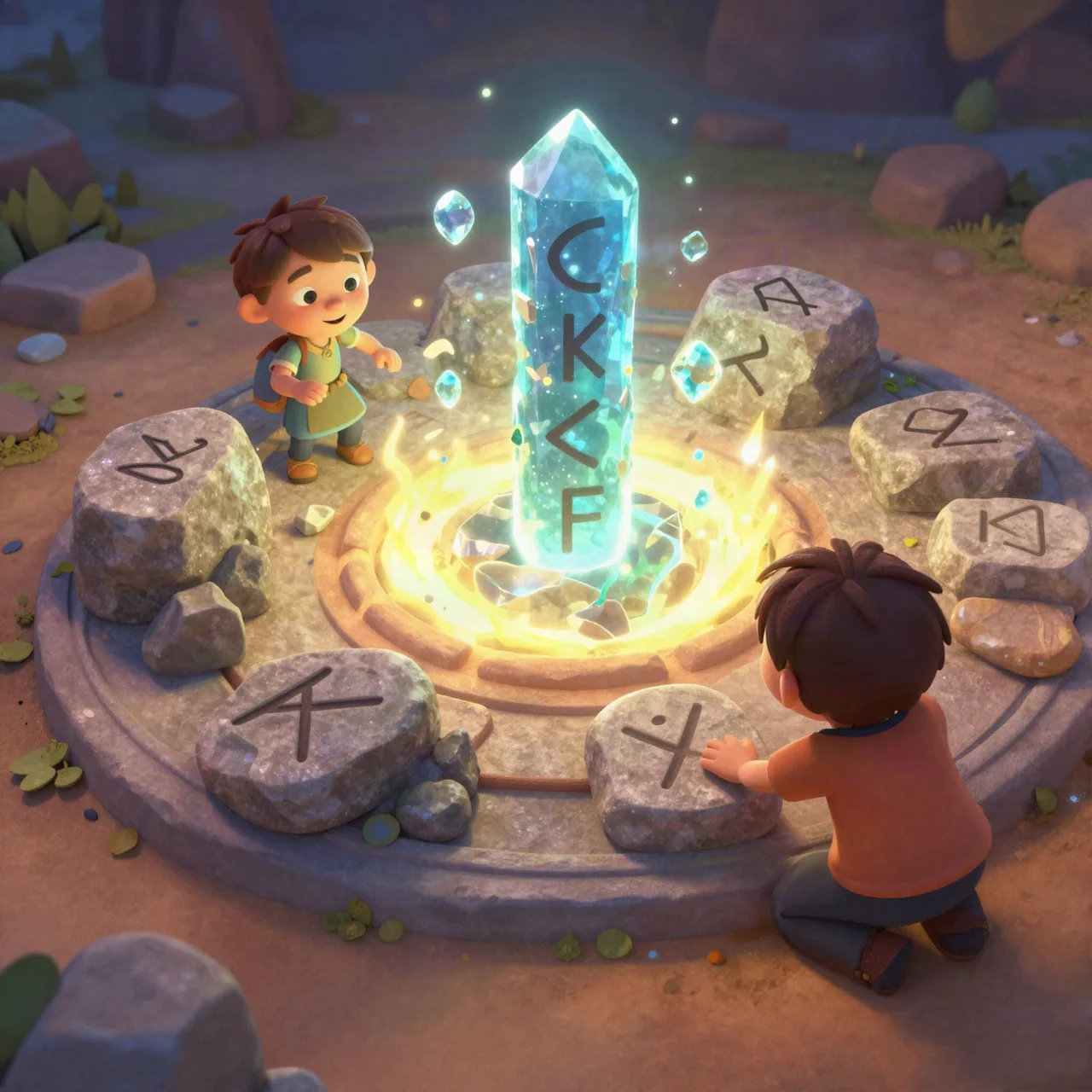
- Runic Masonry writes living runes into stone, metal, and crystal. The material itself becomes a lasting arcane engine. Unlike the flowing communion of geomancy, it works with precision. Patience. Geometry. Slow force locked in solid form.
- Source
- Conductivity of stone and crystal carries it. Rune-chisels guide the practitioner's intent into the mineral. Runes do not create energy. They catch tectonic energy and redirect it.
Overview
Runic Masonry is a distinct magical discipline within Landorya. Runic Masonry writes living runes into stone, metal, and crystal. The material itself becomes a lasting arcane engine. Unlike the flowing communion of geomancy, it works with prec… Its power is typically sourced from Conductivity of stone and crystal carries it. Rune-chisels guide the practitioner's intent into the mineral. Runes do not create energy. They catch tectonic energy and redirect it.. Practitioners must account for the following limits: A rune is only as strong as the stone. Faulty rock makes unstable inscriptions. Rune-weavers must match every inscription to the mineral mix. That takes years of material study. S… Scholarly records also note key risks: A mis-inscribed rune does not simply fail. It inverts. A ward meant to repel becomes a beacon that draws destructive tectonic energy inward, turning a building into a slow implosi…
Key Aspects
0
Rune-Inscription, carving precisely geometrical sigils with Rune-Chisels to encode magical function
1
Structural Warding, embedding defensive and load-bearing runes into architecture
2
Weapon-Binding, sealing elemental or tactical properties into runic weapons
3
Crystal-Lacing, weaving rune-threads through geothermal glass and crystal-infused textiles
4
Conductivity Calibration, testing and tuning the magical conductivity of materials before inscription
Practitioners
0
Rune-Weavers, elite magical engineers licensed to inscribe structural and military runes
1
Master Masons of the Stone Council, overseers who approve large-scale runic public works
2
Weaponsmiths of the Granite Forge, craftspeople who bind runes into arms and armour
3
Textile-Scribes, artisans who lace rune-threads into crystal-infused cloth and trade goods
Limitations
A rune is only as strong as the stone. Faulty rock makes unstable inscriptions. Rune-weavers must match every inscription to the mineral mix. That takes years of material study. Shortcuts reliably produce cursed masonry.
Common Applications
- ✦ The Sealing Glyph, a rune that locks a door, gate, or vault against any force short of another Rune-Weaver's counter-inscription
- ✦ Ember-Rune, a thermal inscription that keeps a structure perpetually warm using geothermal bleed
- ✦ Ward of the Granite Codex, a complex defensive array that makes a wall actively repel and absorb kinetic impact
- ✦ Echo-Mark, a rune that records and replays sound within a chamber, used for historical record and surveillance
- ✦ Shard-Bind, an inscription that stops cracked or damaged stone from fracturing further, buying time for full repair
Cultural Significance
Runic Masonry is the visible face of Talamhari power. Echoing Bridges, Thermal Baths, and Runic Defense Walls that define their cities all come from this discipline. Granite Shards used as currency are themselves calibrated by magical conductivity, so the entire Talamhari economy runs on runic principles. Trade partners such as Zephyrian sky-ports and Ocearan riverway merchants prize Talamhari runic weapons and crystal-infused textiles above almost all other goods.
Lore
Legend holds that the first Rune-Weaver was a nameless Talamhari mason who, during the founding of the city beneath the mountain, tried to carve Gara-Stone's name into the living crystal heart she had gifted. The crystal inscribed itself and taught him the first glyph. The Granite Codex calls that moment the First Answer, the instant the earth showed it wished to be written upon. The Talamhari have treated Runic Masonry as a sacred conversation ever since. To deface or erase another's rune-work without cause is a cultural affront equal to silencing a prayer.